Introduction: Sustainable Handicrafts as a Path to Mindful Living
In today’s fast-paced, consumption-driven world, every purchase carries weight. Therefore, choosing sustainable handicrafts isn’t just a personal preference—it’s a powerful act of conscious living. At Handloom GB, we believe that handmade, ethically crafted items help us reconnect with our values, while also promoting environmental responsibility and social equity.
What Are Sustainable Handicrafts and Why Do They Matter?
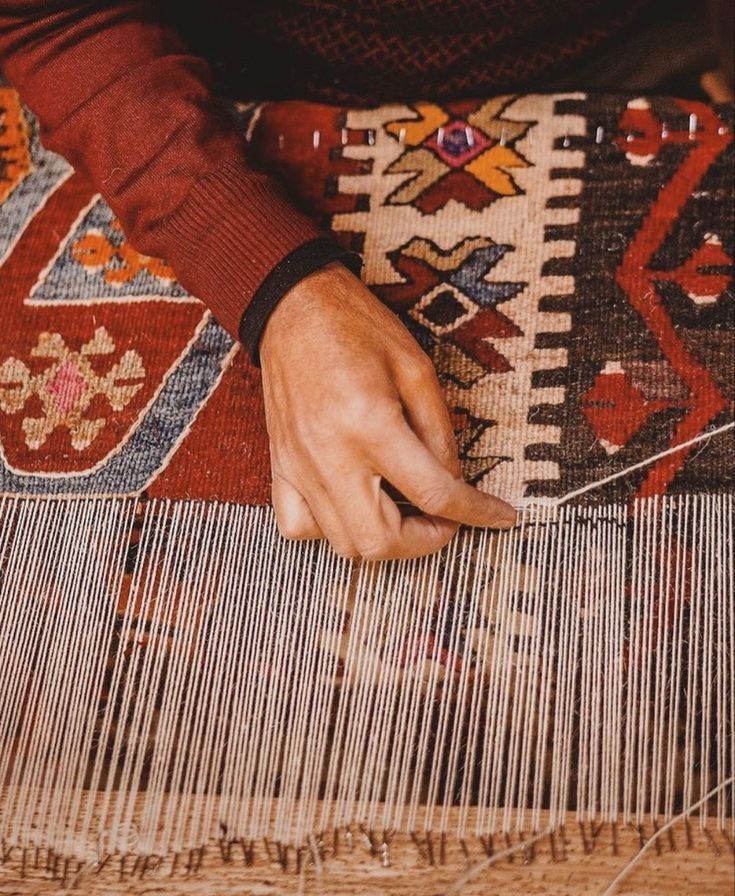
To begin with, sustainable handicrafts are products made using natural materials, traditional methods, and fair labor practices. Unlike mass-produced goods, these items are crafted with intention—often by artisans using techniques passed down through generations. As a result, each piece embodies cultural heritage and ecological balance.
Moreover, these handicrafts reduce reliance on synthetic materials and energy-intensive production, making them better for both people and the planet.
How Sustainable Handicrafts Help Reduce Waste
While fast fashion and factory-made products generate excess waste, sustainable handicrafts offer a low-waste alternative. For example, artisans typically work in small batches or on a made-to-order basis. Consequently, they avoid overproduction, reduce resource consumption, and minimize landfill overflow.
In addition, many craftspeople reuse leftover materials or repurpose scraps—creating functional beauty out of what might otherwise be discarded.
Supporting Artisans Through Sustainable Handicrafts
Beyond environmental benefits, buying products directly supports skilled artisans, especially in rural and underserved regions. At Handloom GB, for instance, we collaborate with women in Gilgit-Baltistan who use traditional techniques to earn fair income, gain independence, and preserve their craft.
Furthermore, your support enables these artisans to pass their knowledge down to future generations—ensuring the survival of endangered cultural practices.
Natural Materials and Low-Impact Methods
Importantly, sustainable handicrafts rely on materials like organic cotton, hand-spun wool, natural dyes, and reclaimed wood. These resources not only minimize environmental damage but also require less energy to process.
Additionally, because most artisans use manual tools, the overall carbon footprint is significantly lower than that of industrial goods.
Lowering Your Carbon Footprint
Another reason to embrace sustainable handicrafts is their reduced environmental impact. Since these items are usually sourced and produced locally, there is far less transportation involved. As a result, greenhouse gas emissions remain low throughout the supply chain.
Moreover, many artisans package their products in minimal or biodegradable materials—further supporting a zero-waste lifestyle.
Adding Purpose and Meaning to What You Own
Let’s face it—mass-produced items rarely tell a story. In contrast, sustainable products carry meaning, culture, and identity. Every piece reflects the artisan’s care, creativity, and connection to the land.
Therefore, instead of buying disposable decor or fashion, you can own something with heart—an item that enriches your life and honors tradition.
Conclusion: Choose Better, Live Lighter
In conclusion, sustainable handicrafts offer a beautiful, ethical alternative to mass-produced goods. They reduce waste, support artisans, and help preserve time-honored skills. Most importantly, they invite us to consume more thoughtfully and live more intentionally.
At Handloom GB, we invite you to discover a curated collection of handcrafted products that celebrate both sustainability and culture. Every purchase you make becomes a quiet act of resistance against waste and a loud endorsement of tradition, artistry, and care.
🌿 Live consciously. Shop sustainably. Choose sustainable handicrafts from Handloom GB.